经济发展 vs. 社会变革: 你引用的那句“经济快速发展使社会变革成为必需,经济发展易获支持,而社会变革常遭抵制”非常关键。它准确地指出了许多国家在现代化进程中面临的普遍挑战。经济增长带来的好处往往是显性的、受广泛欢迎的,而伴随而来的社会结构、观念、利益格局的调整(即社会变革)则常常触及深层矛盾,引发阻力。
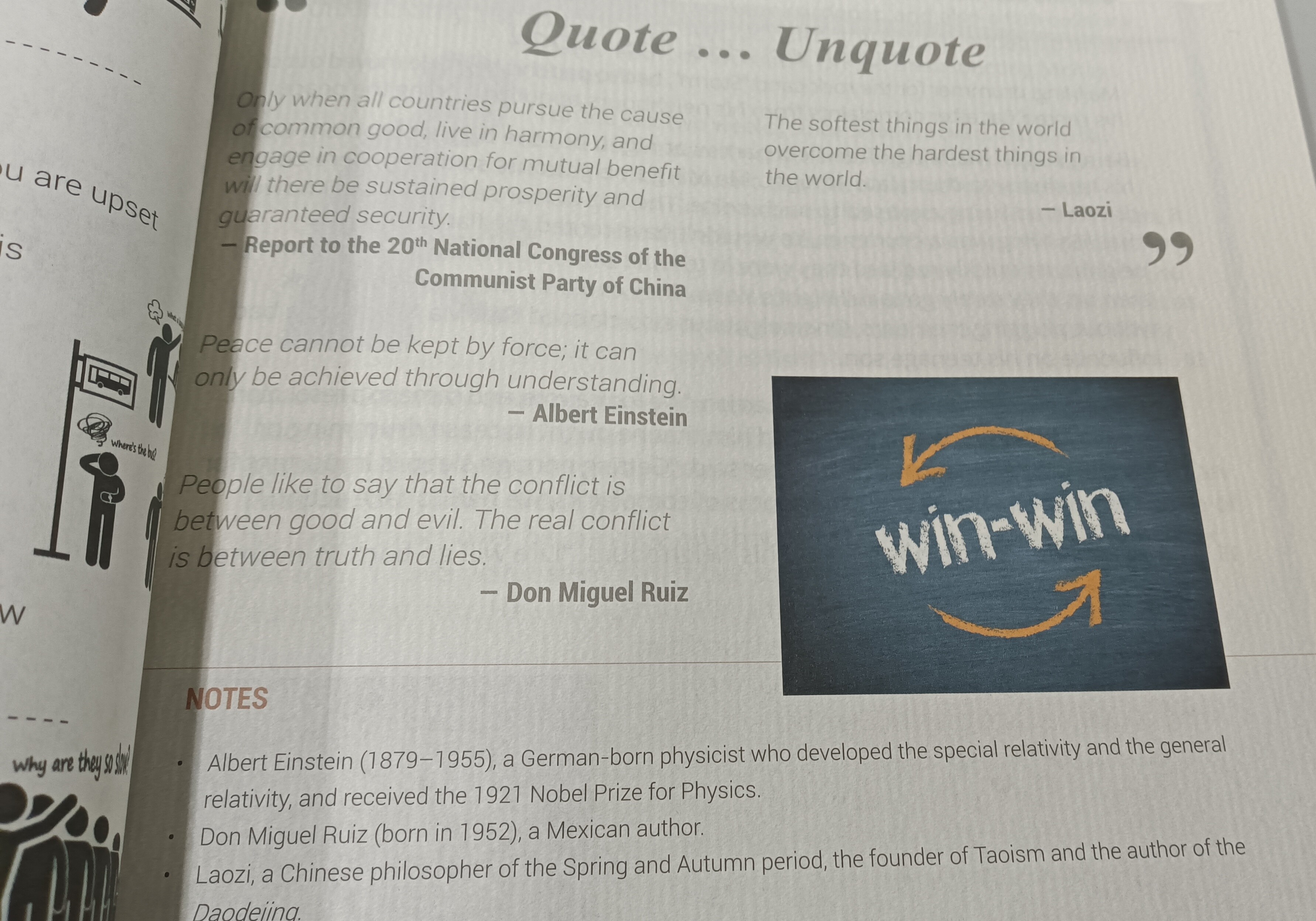
Okay, that’s a sharp follow-up question. Acknowledging the potential value or insight in a theory or an observation (like the difficulty of social change compared to economic growth, or the ideal of “win-win”) is different from saying its practical application is straightforward or always successful.
The “problem” in practice, or the gap between the theoretical ideal (“win-win”) and the perceived outcomes of specific policies, can stem from several interconnected factors:
Complexity of Reality: The real world is far more complex than any theoretical model. Implementing policies based on an ideal like “win-win” inevitably runs into countless variables, competing interests, and unforeseen consequences that the theory might not fully capture. What seems like a win for one group or goal might be a loss for another.
Execution Hurdles: Even the best-laid plans can stumble in execution. This could be due to:
Implementation details: How a policy is rolled out, the speed, the specific regulations, and the enforcement mechanisms matter enormously. Sometimes the execution might be too rigid, too sudden, or poorly communicated.
Bureaucratic factors: Different levels of government might interpret or implement policies differently. Local conditions vary.
Capacity issues: The system might lack the resources, expertise, or flexibility to implement the change smoothly.
Conflicting Priorities & Trade-offs: Governments constantly balance multiple, often conflicting goals. For example, pursuing “common prosperity” might involve regulations that impact short-term market dynamism. Strengthening national security might lead to policies that affect international economic cooperation. Achieving a perfect “win-win” across all dimensions simultaneously is often impossible; trade-offs are inherent.
Resistance to Change (as the theory predicted!): The very quote you highlighted points to this! Social and economic reforms inevitably challenge existing power structures, vested interests, and established ways of doing things. This resistance can manifest as opposition, foot-dragging, or finding loopholes, making the intended “win-win” outcome harder to achieve.
Time Lags and Short-Term Pain: Many structural reforms aim for long-term benefits (the ultimate “win”). However, they can often involve significant short-term disruption, costs, or pain for certain groups. It takes time for the positive effects to materialize and be widely felt, leading to criticism in the interim.
Differing Perspectives on “Win”: What constitutes a “win” can be subjective. The government might define it based on national strategic goals, stability, or long-term sustainability. Businesses, investors, or other countries might define it based on immediate profits, market access, or predictability. These perspectives don’t always align.
So, the issue isn’t necessarily that the initial observation or the “win-win” ideal is wrong, but that translating such concepts into effective, universally beneficial policies in a complex and contested real-world environment is an incredibly difficult task fraught with challenges, trade-offs, and potential pitfalls. The gap often lies in the messy, difficult space between the blueprint and the building.

 )。
)。