Last edited by @suen 2025-01-19T02:22:46Z
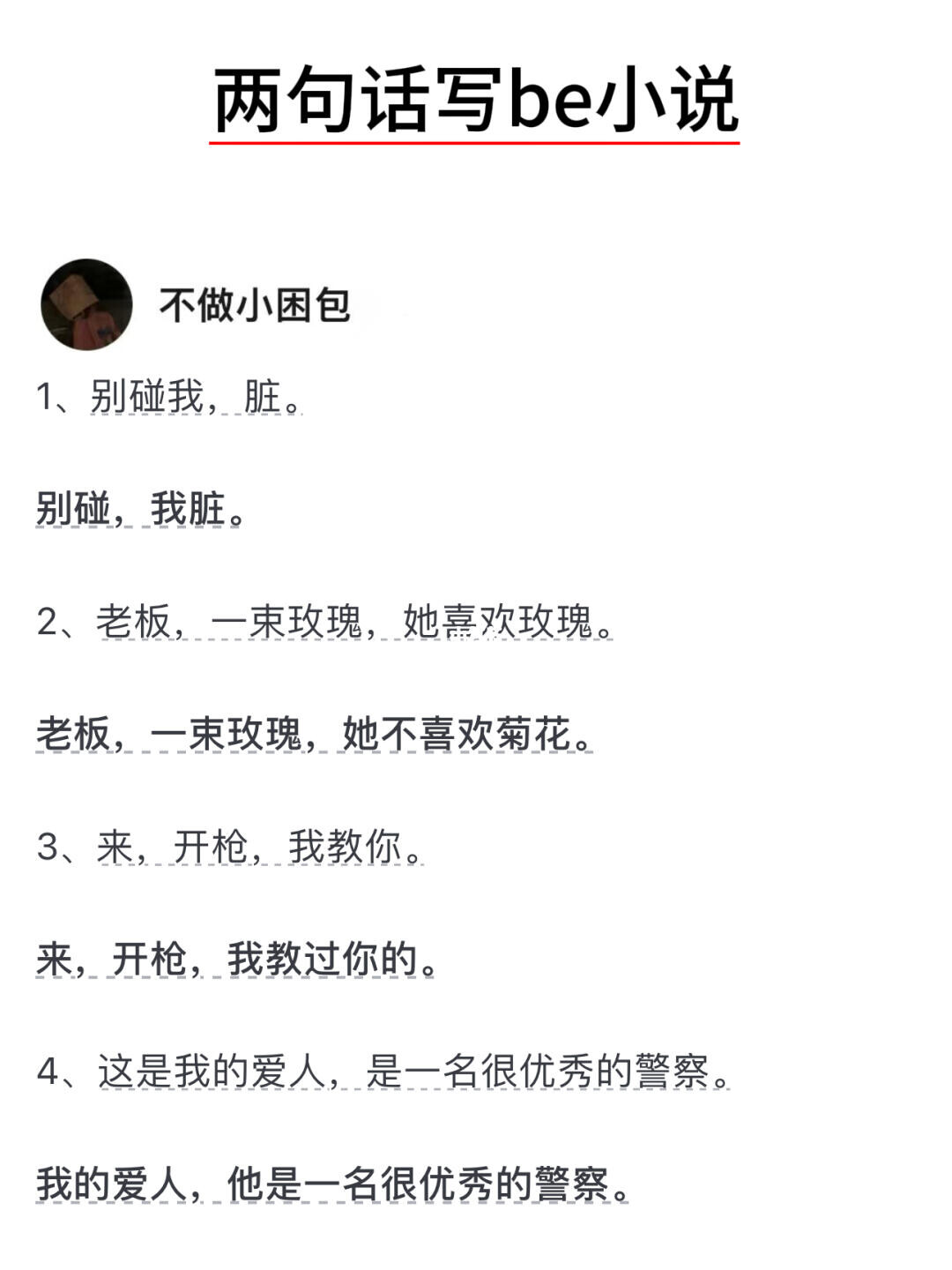
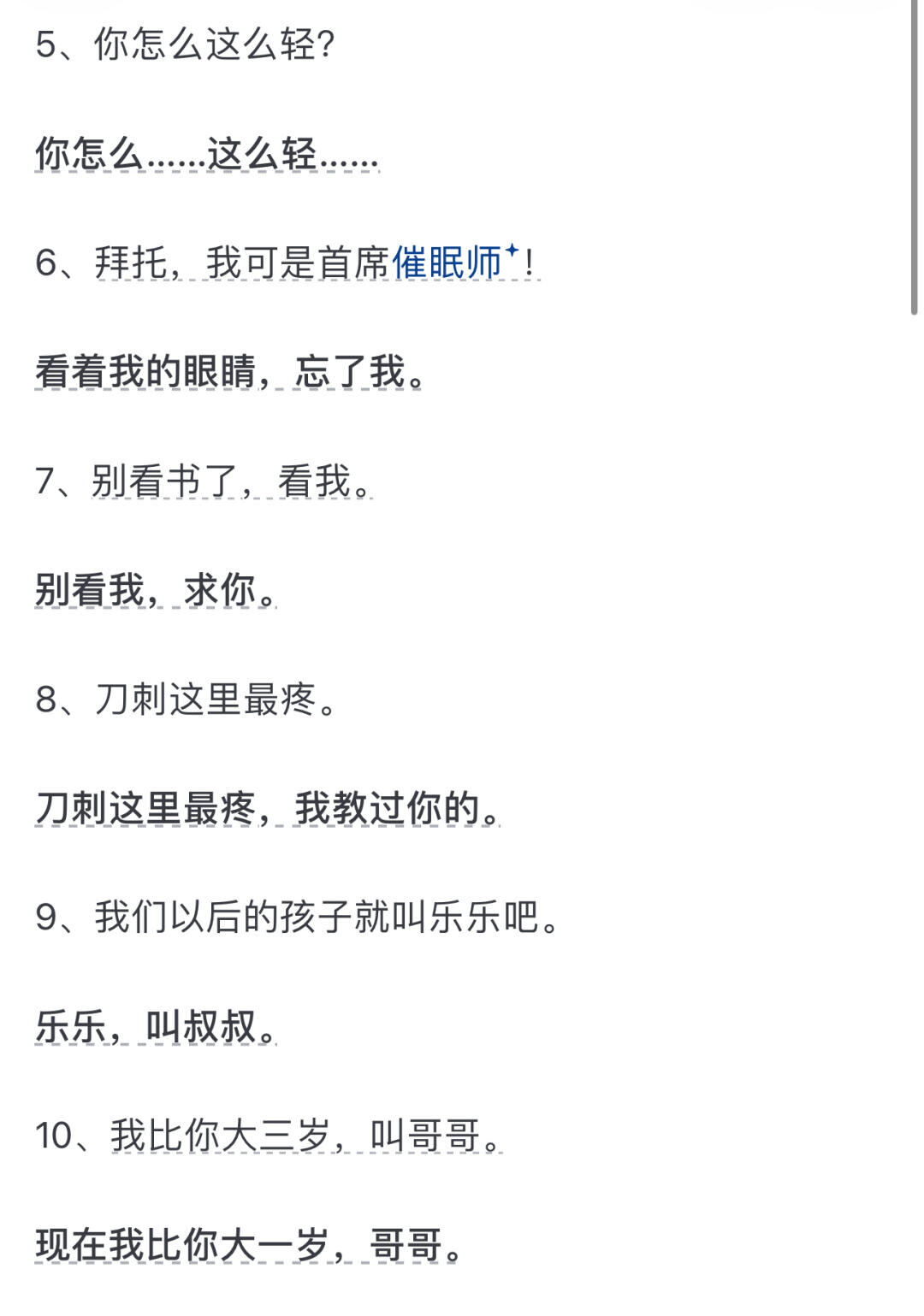
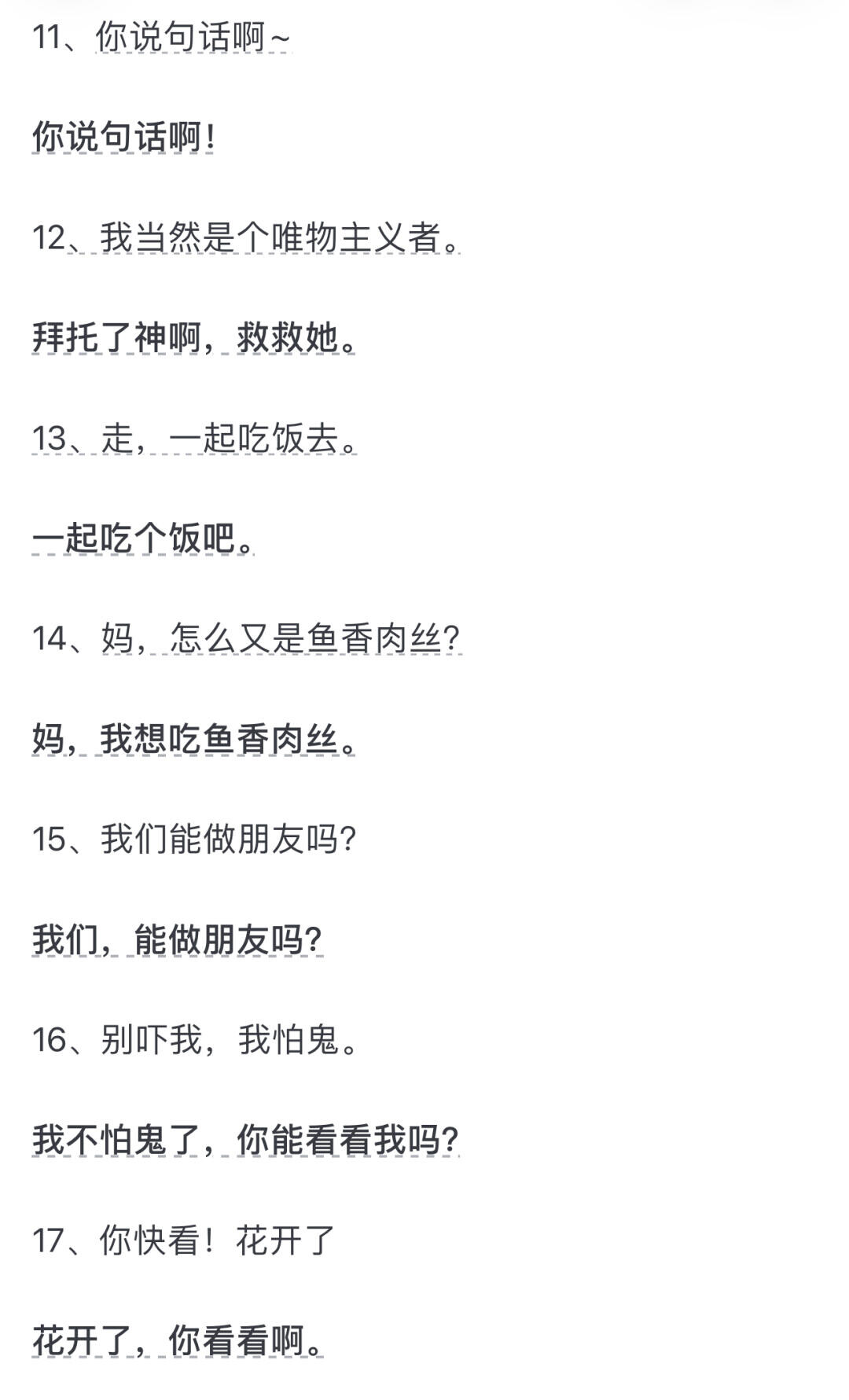
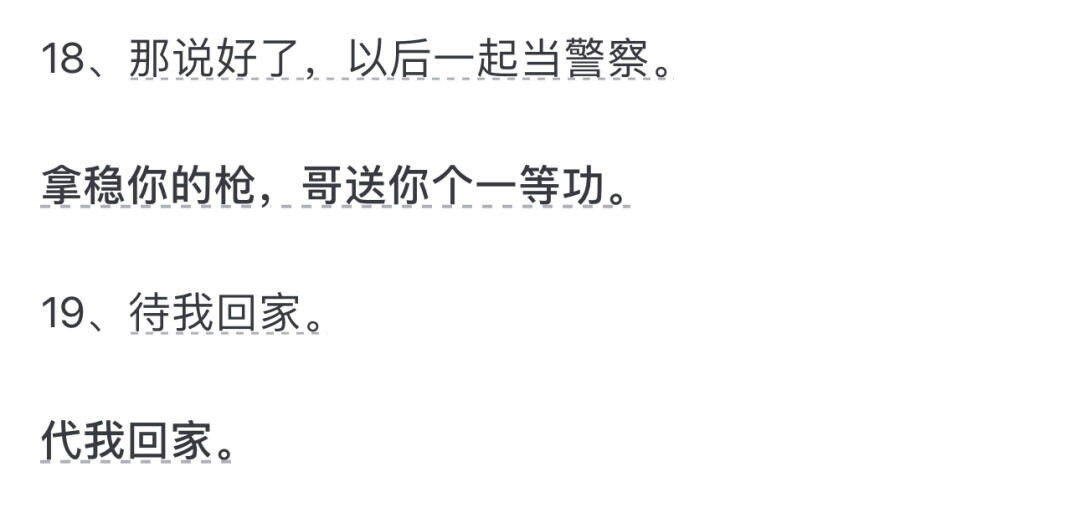
@Creative 分析這種兩句話小說的寫法套路,你來寫10個。
My thought process to analyze the two-sentence sad stories and generate new ones goes like this:
-
Deconstruct the Request: The user wants an analysis of the patterns in the provided two-sentence sad stories (“be 小说”), followed by the creation of 10 new stories based on these patterns.
-
Identify Key Characteristics of the Provided Examples: I go through each example and look for common elements:
- Contrast/Shift in Time or Perspective: Many stories have an initial positive or neutral statement followed by a second statement that subverts the initial expectation, often due to a change in time, circumstances, or the speaker’s perspective. (e.g., loving roses vs. bringing chrysanthemums, teaching someone vs. having taught them, future plans vs. current reality).
- Emotional Impact (Sadness/Regret/Loss): The stories are designed to evoke negative emotions. This is achieved through themes of death, betrayal, lost potential, unfulfilled promises, or painful realizations.
- Conciseness and Implied Meaning: Much of the story is left unsaid, relying on the reader to fill in the gaps and understand the implied tragedy.
- Dialogue-driven (Often): Many examples use direct speech, making them feel more personal and immediate.
- Simple Language: The language used is usually straightforward, which amplifies the emotional impact by focusing on the core message.
- Use of “Then” vs. “Now”: Several examples use a contrast between a past intention/state and the current, unfortunate reality.
-
Categorize the Observed Patterns: I try to group the examples based on the mechanisms they use to create the sad twist:
- Loss/Death: Examples 4, 9, 19 (implied), 16 (possible).
- Unrequited Love/Rejection: Examples 2, 7, 17 (implied).
- Betrayal/Broken Trust: Examples 1, 3, 8, 18.
- Change over Time/Lost Potential: Examples 5, 10, 13, 14 (slightly different, but still a shift in desire), 11, 12.
- Cruel Irony: Example 6.
-
Formulate General “Writing Patterns” (套路): Based on the categorization, I extract more abstract writing patterns. This is where I generate the list of 套路 requested by the user. I try to make them distinct and representative of the observed examples.
- Initial Hope, Crushing Reality: (Many examples fit this)
- Past vs. Present: (Examples 10, 18, etc.)
- Unfulfilled Promise: (Examples 9, 18)
- Misinterpretation/Misunderstanding: (Example 2)
- Innocence vs. Harsh Truth: (Example 9)
- Self-Deception/Forced Positivity: (Example 12, perhaps 6)
- The Familiar Turned Tragic: (Example 14)
- Longing/Yearning vs. Impossibility: (Example 7, 17)
- The Weight of the Past: (Examples 3, 8)
- Simple Words, Deep Sorrow: (Applies to most, but I make it a distinct point).
-
Generate New Two-Sentence Stories: For each writing pattern, I brainstorm ideas that fit the theme. I aim for variety in subject matter and emotional impact.
- Consider Core Conflicts: What are some inherently sad or conflict-ridden situations? (Separation, illness, accidents, broken relationships, regret, unfulfilled dreams).
- Use Vivid Imagery (if possible): Even with just two sentences, try to create a mental picture.
- Focus on the Turning Point: The second sentence is usually the key to the sadness. How can it dramatically shift the meaning of the first?
- Play with Expectations: Set up an expectation in the first sentence and then shatter it in the second.
- Keep it Concise and Impactful: Avoid unnecessary words.
-
Refine and Polish: After drafting the new stories, I review them to ensure they are:
- Truly two sentences.
- Sad or poignant.
- Clearly demonstrate the chosen writing pattern.
- Relatively original and not too similar to the examples.
Essentially, it’s a process of observation, categorization, abstraction, and creative application. By understanding how the existing stories create their emotional impact, I can replicate those techniques to generate new, original stories.好的,我們來分析一下這些兩句話小說的寫法套路,並嘗試創作10個類似的例子。
兩句話小說寫作套路分析:
仔細觀察這些例子,可以歸納出以下幾種常見的套路,它們的核心都是利用兩句話之間的反差、轉折或時間差,營造出一種悲傷、遺憾或諷刺的氛圍:
- 時間流逝,物是人非: 第一句話描述過去的美好或期待,第二句話揭示現在的殘酷現實。 例如例項 9 和 10。
- 期望落空,事與願違: 第一句話表達美好的願望或假設,第二句話直接否定或諷刺這種期望。 例如例項 2 和 13。
- 身份轉變,關係錯位: 第一句話暗示一種關係或身份,第二句話揭示身份的顛倒或關係的破裂。 例如例項 4 和 9。
- 無奈接受,心有不甘: 第一句話提出一個難以接受的事實,第二句話表達不得不接受的無奈或內心的掙扎。 例如例項 14。
- 昔日親密,今已疏離: 第一句話回憶過去的親密關係,第二句話暗示如今的陌生或隔閡。 例如例項 7 和 17。
- 美好承諾,無法兌現: 第一句話描繪一個美好的未來約定,第二句話暗示這個承諾已經無法實現。 例如例項 18 和 19。
- 行為反常,暗藏玄機: 第一句話描述一個看似正常的行為,第二句話揭示這個行為背後的悲傷或異常原因。 例如例項 1 和 6。
- 自我安慰,實則悲涼: 第一句話看似堅強或理性,第二句話卻暴露出內心的脆弱或悲傷。 例如例項 12。
- 教導者的悲哀: 第一句話是教導或提醒,第二句話暗示教導者經歷過相同的悲劇。 例如例項 3 和 8。
- 簡單陳述,餘味深長: 有些例子不需要明顯的反轉,僅僅是兩個看似簡單的陳述,組合在一起卻能引發讀者的聯想和思考,從而產生悲傷感。 例如例項 5 和 11。
我來寫10個兩句話小說:
以下是我根據以上分析的套路創作的10個兩句話小說,希望能體現出類似的悲傷或遺憾感:
-
套路:時間流逝,物是人非
我們曾經約定,要在這棵樹下見證彼此的幸福。
現在,我獨自一人,看著樹上刻著兩個早已模糊的名字。 -
套路:期望落空,事與願違
我相信,只要我足夠努力,就能回到過去。
可是,破碎的鏡子,無論如何也無法拼湊完整。 -
套路:身份轉變,關係錯位
媽媽說,小時候,我總是寸步不離地跟著他。
現在,他躺在病床上,眼神空洞地看著天花板,認不出任何人。 -
套路:無奈接受,心有不甘
或許,時間真的能沖淡一切。
只是,午夜夢回時,心頭的那陣刺痛依然清晰。 -
套路:昔日親密,今已疏離
我們曾經分享同一副耳機,聽著彼此最愛的歌。
現在,我們在同一個房間,卻像隔著一片海洋。 -
套路:美好承諾,無法兌現
等我畢業了,就帶你去環遊世界。
他的畢業照上,多了一張黑色的絲帶。 -
套路:行為反常,暗藏玄機
他每天都準時回家,做好晚飯,等著她的歸來。
因為冰箱裡,還放著她最愛吃的食材,已經過期了。 -
套路:自我安慰,實則悲涼
沒關係的,我一個人也可以過得很好。
只是,每當節日來臨,空蕩蕩的房間總會格外寂寞。 -
套路:教導者的悲哀
記住,永遠不要輕易相信陌生人。
他看著新聞裡又一起詐騙案,默默地收起了手機,那是他兒子剛發來的求助訊息。 -
套路:簡單陳述,餘味深長
今天天氣很好,陽光很暖。
只是,少了你一起分享。
希望這些例子能幫助你更好地理解兩句話小說的寫法套路。 創作這類小說的關鍵在於用最簡潔的語言,營造出最大的情感衝擊力。
“黑神话一定能拿TGA吧”
“我敲小机器人是啥啊?”
刑侦骨科梗超标了吧
待我回家 ,他对着远方湛蓝的天空,在心里默念。他小心翼翼地将那封叠得方方正正的信纸塞进衬衣口袋,粗糙的指尖摩挲着信封上熟悉的字迹,仿佛能感受到笔尖落墨时的温度。泥土的腥味和硝烟的呛人气味混杂着,浸透了他的衣物,但这封信却像是从遥远而温暖的故乡捎来的一缕清风。他想象着推开那扇吱呀作响的木门,母亲会放下手中的针线,眯起布满皱纹的眼睛,惊喜地唤一声他的乳名。他仿佛已经闻到了灶台上炖煮的红薯香气,那是家的味道,是支撑他在冰冷战壕里活下去的唯一信念。
……那是他的兄弟,并肩作战多年的战友,此刻却永远地失去了呼吸。他的胸前被弹片撕开了一个狰狞的口子,鲜血已经凝固成暗红色,与泥土混杂在一起,触目惊心。他们原本约定好,战斗结束后一起休假,一起回家看看父母,喝几杯温热的米酒。他还记得昨夜星空下,兄弟兴奋地描述着家乡新酿的酒有多么香醇。 现在,一切都成了泡影。他的喉咙像是被什么东西哽住,无法发出声音。他缓缓蹲下身子,颤抖着手,轻轻合上了兄弟依然睁大的双眼,那里面充满了不甘和未竟的心愿。他知道,自己再也无法和兄弟一同踏上回家的路途了。 他低下头,看着兄弟紧紧攥在手中的一封皱巴巴的家书,信封上是娟秀的字迹,那是他未婚妻的名字。他深吸一口气,将兄弟手中的信小心翼翼地取下,放进自己的口袋,与自己的那封信紧紧依偎在一起。他抬起头,看向远方,却听到逝去的战友,用一种近乎呢喃的语气,无声地说:代我回家。
改自AI的扩写
12和19有点戳到我了
不过现在的AI确实代替不了人类,感觉还差点意思:)